wheel strategy
| | |

Decoding the 25/45 Delta-Managed Wheel Strategy

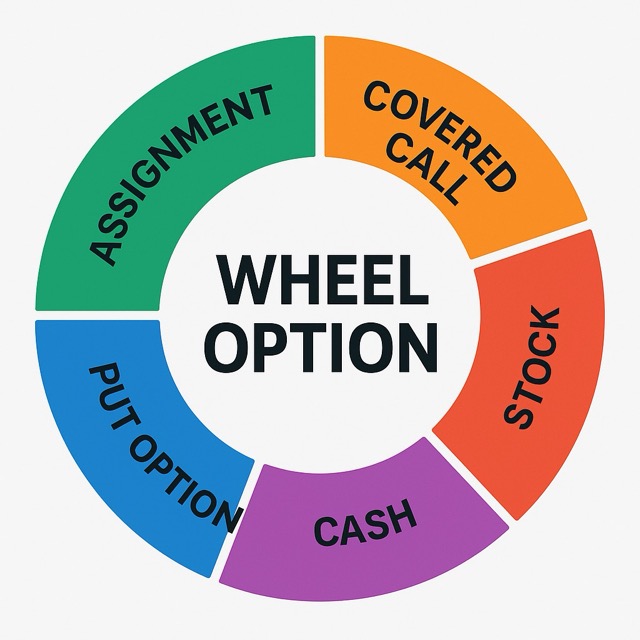
The “Wheel” is one of the most popular options strategies for generating income. At its core, it’s a systematic process: you sell cash-secured puts on a stock you’re willing to own. If you get assigned, you then sell covered calls against those shares.    But as any Wheel trader knows, the real challenge isn’t the “what.” It’s…

Quantum intro
|

Quantum Computing Investing Primer

1. Executive Summary Quantum computing has transitioned from pure research into a capital-intensive commercial race, with global investment exceeding 1.25 billion USD in the first quarter of 2025 alone—more than double the prior year—and over 4.4 billion USD deployed across 2024. For public-market investors, the sector presents a portfolio of asymmetric opportunities characterized by extreme…

CAPE ratio
|

Is the Stock Market Overvalued? What the Shiller CAPE Ratio Says About Future Returns.

A deep dive into one of Wall Street’s most reliable long-term indicators—and why its warning signals in 2025 are more complicated than they appear. It’s the question on every investor’s mind as we head into the final months of 2025: After a remarkable run, is the stock market dangerously overvalued? Pick your favorite news headline,…

Spotting the Next Financial Crisis
| |

A Modern Playbook for Spotting the Next Financial Crisis

Financial crises are often spoken of in the past tense, like historical cataclysms or “black swan” events that arrive without warning. But what if they aren’t? What if, instead of random bolts from the blue, they are the predictable final act of a long, slow, and observable process? The economists Hyman Minsky and Charles Kindleberger…

| |

Understanding Quantitative Tightening (QT) and impact on Treasury Yields

The Federal Reserve is in the midst of one of the most significant monetary policy operations in its history: the great unwinding of its multi-trillion-dollar balance sheet. This process, known as Quantitative Tightening (QT), is the reversal of the massive bond-buying programs (Quantitative Easing, or QE) that supported the economy through the 2008 financial crisis…

Reverse Repurchase Agreement
| |

The Great Reallocation: How $2.5 Trillion Left the Fed Without Breaking Markets

Between mid-2023 and early 2025, a staggering ~$2.5 trillion quietly vanished from a key Federal Reserve facility. This cash hoard, held in the Fed’s Overnight Reverse Repurchase Agreement (ON RRP) facility, had ballooned after the pandemic, serving as a parking lot for money market funds (MMFs) awash in liquidity. Its rapid decline sparked fears of…

Is gold truly a safe haven?
| |

Is Gold Still the Ultimate Safe Haven? A Data-Driven Guide for Investors

Gold has been on a historic run, smashing records and leaving many investors wondering: Is it time to add some shine to my portfolio? For centuries, gold has been the go-to asset in times of trouble. When markets panic, the old wisdom says to buy gold.    But does that wisdom still hold true? The answer is…

yield curve recession-indicator broken
| |

Is the Yield Curve Still the Market’s Best Recession Predictor?

For decades, Wall Street traders have watched one indicator above all others to predict economic downturns: the inverted yield curve. When short-term Treasury rates climb above long-term rates, investors brace for recession. But after the longest inversion in recent history failed to produce the recession it promised, a critical question emerges: has this legendary signal…

U.S. Health Care Equipment & Supplies industry
|

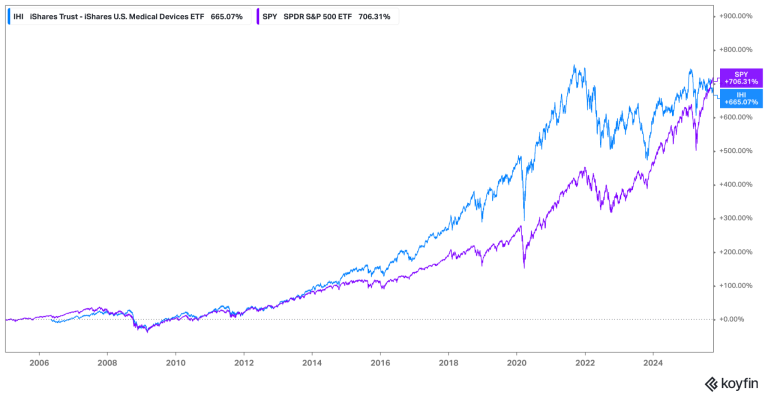
A Primer on the Health Care Equipment & Supplies Industry (GICS 351010)

This primer provides a comprehensive overview of the Health Care Equipment & Supplies industry (GICS 351010), a critical subsector within the broader Health Care landscape. Designed for junior financial analysts, this document dissects the industry’s structure, economic drivers, regulatory framework, and competitive dynamics. The GICS 351010 sector, often termed MedTech, encompasses a diverse array of…

Health Care

U.S. HEALTH CARE SECTOR PRIMER

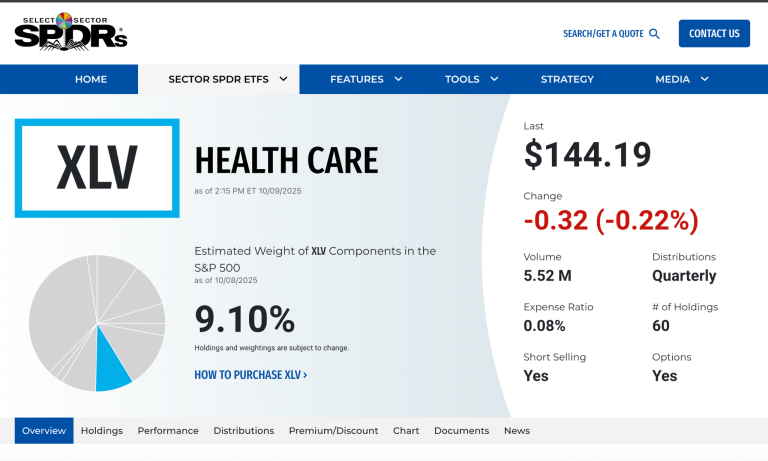
The U.S. Health Care sector (GICS 35) represents one of the most critical and distinctive investment sectors in the equity market, characterized by its non-discretionary defensive nature and consistent long-term growth driven by demographic and innovation-based tailwinds.  Unlike cyclical sectors whose performance fluctuates with economic conditions, healthcare demand remains relatively inelastic—patients require medical care, prescription…